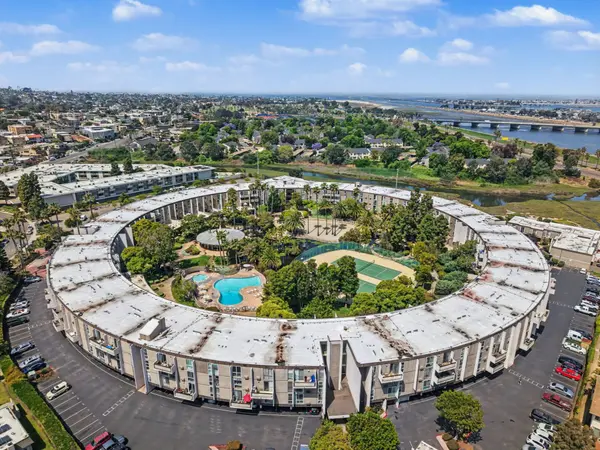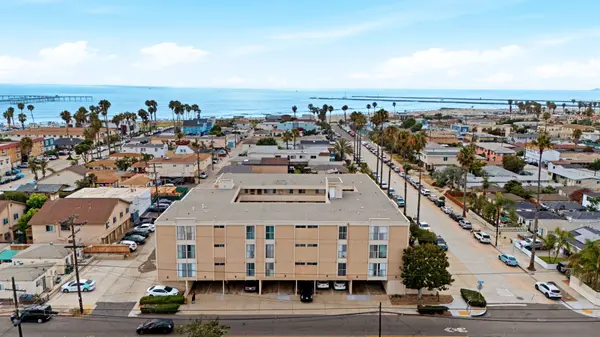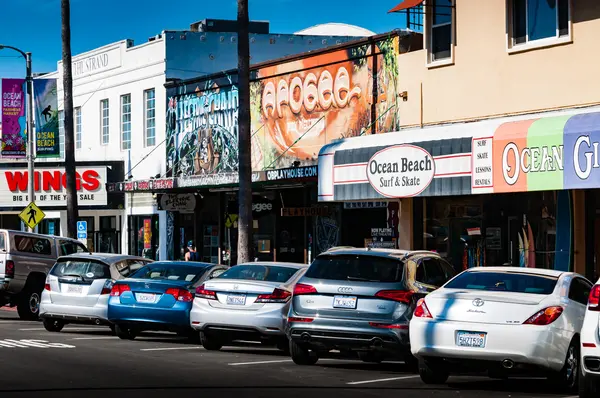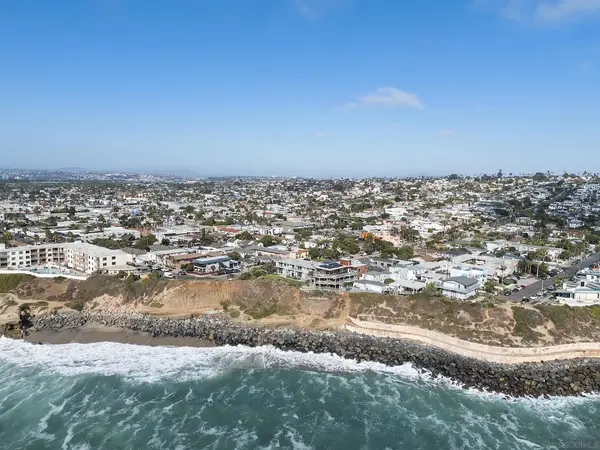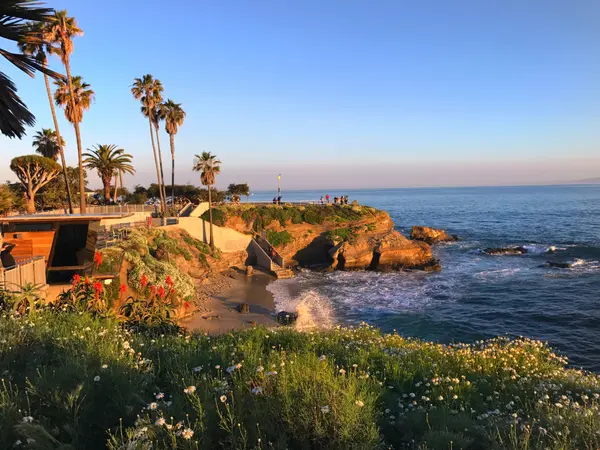

What San Diego's New Coastal Parking Restrictions Mean for Homeowners From La Jolla to Ocean Beach
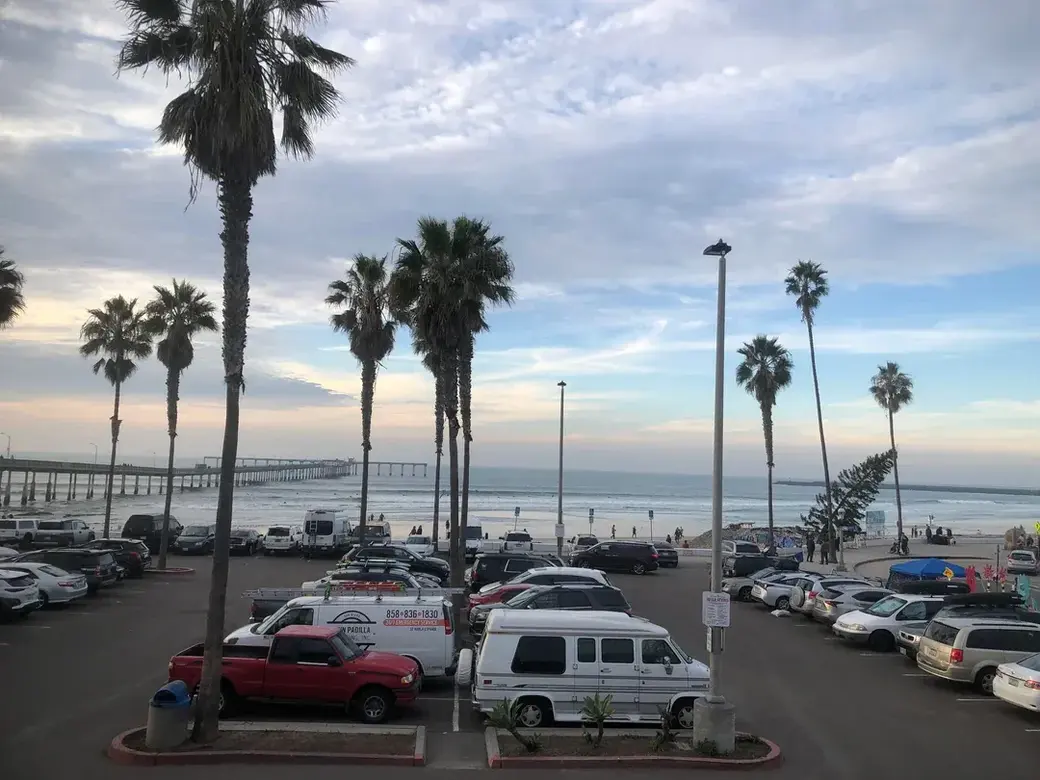
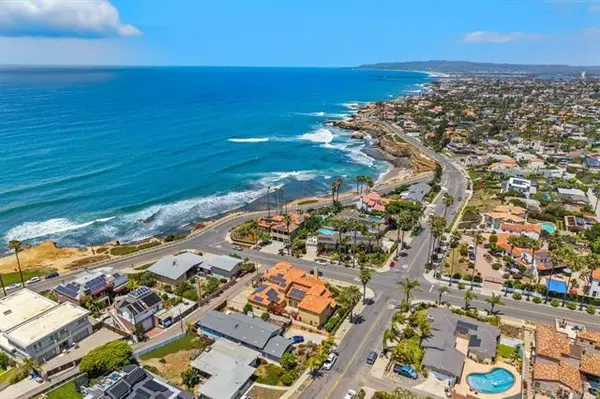
The California Coastal Commission just unanimously approved a 10-year permit that fundamentally changes overnight parking along San Diego's coast — from La Jolla through Mission Beach down to Ocean Beach and Sunset Cliffs. Thirty-five-plus coastal parking lots, more than 9,000 spaces, new nighttime closures, new gates, time-limited parking. For coastal homeowners, this is the kind of news that sits in the background of an article about beach lots but actually moves the needle on what your block feels like at 1 a.m., what your guests deal with when they visit, and yes, what your home is worth.
What's Actually Changing
According to reporting from the Times of San Diego and the San Diego Union-Tribune, the new permit covers 35-plus parking facilities managing roughly 9,255 off-street spaces. The Coastal Commission approval on June 10 was the city's final hurdle. Implementation begins after the city files its plans within the next 45 days. The driving reasons the city cited: a rise in nighttime criminal activity at certain lots — from drug activity to violent crime — plus a steady increase in long-term overnight parking by people living in vehicles.
Here's what changes specifically along the coast you care about most.
Ocean Beach Dog Park (333 spaces): no parking or vehicle habitation, closed midnight to 5 a.m.
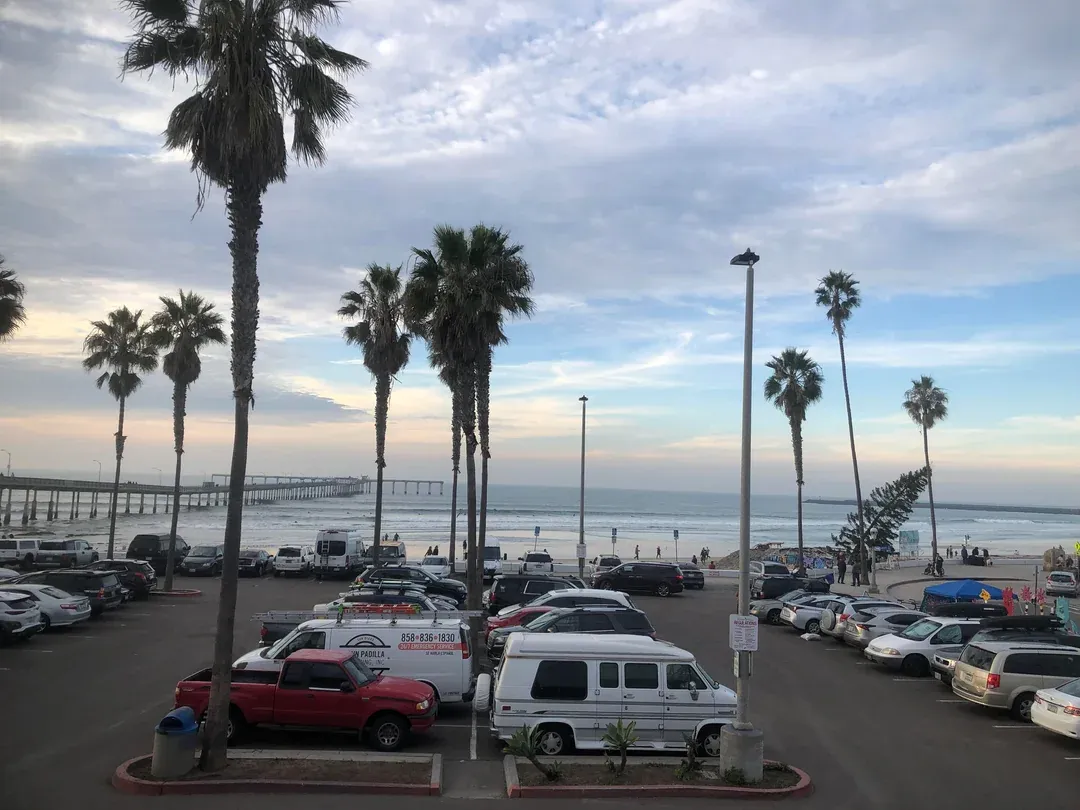
OB Pier lot on Newport Avenue (98 spaces): closed 2 a.m. to 4 a.m., plus a new 4-hour daytime parking limit from 8 a.m. to 8 p.m., and a 4-hour cap on EV charging
Sunset Cliffs Natural Park (Ladera Street): closed 10 p.m. to 4 a.m.
Pacific Beach lots: closed 2 a.m. to 4 a.m.
La Jolla lots (including Kellogg Park, 349 spaces): closed 10 p.m. to 4 a.m.
Mission Bay (Crown Point Shores, West Bonita Cove, Ventura Cove): nighttime closures running roughly midnight to 4 a.m.
Torrey Pines Gliderport (565 spaces): closed 9 p.m. to 4 a.m.
The city is also installing physical gates at seven additional lots — joining the 16 that already have them — and the Coastal Commission added special conditions requiring the city to improve public access in other ways: new bicycle parking, mobility mats at lifeguard stations, an interactive map of public access points, repair of the South Casa Beach stairway in La Jolla (closed since 2023 storms), and new informational panels at Sunset Cliffs Park.
Why This Matters for Coastal Real Estate
Coastal parking has been the friction point of coastal living in San Diego for as long as anyone can remember. Some buyers love the chaos. Most don't. The new rules don't fix the parking problem — they redistribute it. Three implications worth thinking about for anyone who owns or is shopping along this stretch.
For Coastal Sellers
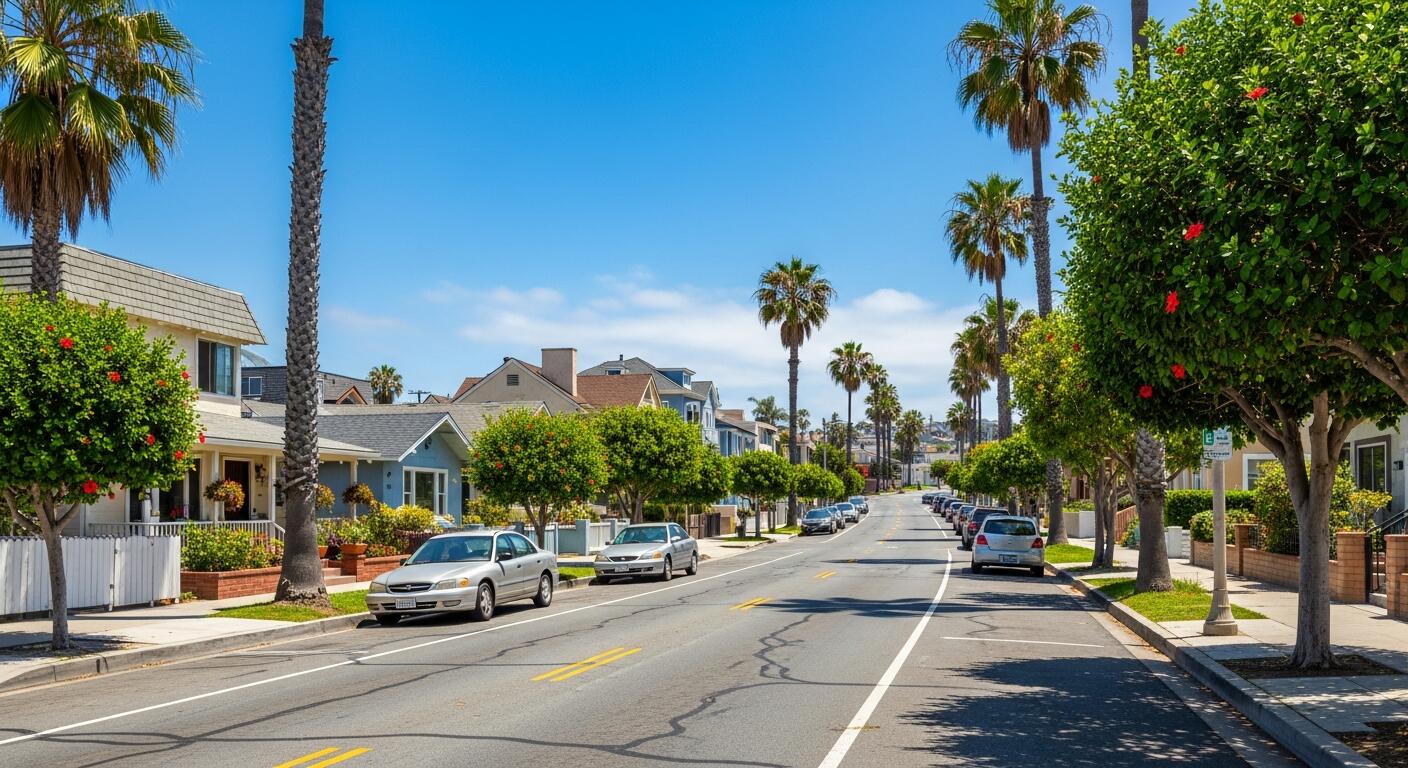
If you're listing a home in Ocean Beach, Point Loma's coastal pockets, Sunset Cliffs, Pacific Beach, or La Jolla, the nighttime closures actually tilt the quality-of-life narrative in your favor at showings. The lots near Dog Beach, the Pier, and Mission Bay have been chronic problem spots for nighttime activity, and the new closures and gates will measurably reduce the foot-traffic and noise that bled into adjacent residential blocks. That's a story worth telling at open houses and in listing copy, and it's the kind of detail an agent who actually lives in the neighborhood will surface when it matters. For more on how to actually price and position a coastal home in this market, see what actually determines what your Ocean Beach home sells for.
The flip side: if your home sits on a residential street right next to one of these now-closed lots, expect more overnight street parking pressure from vehicles that used to park in the lots. That's something to manage in your listing narrative honestly — a buyer who tours at noon won't see it, but the one who circles back at 11 p.m. will.
For Coastal Buyers
This is a small but real positive for buyers shopping the coast. Properties near previously-problematic lots will see meaningful quality-of-life improvement — less ambient nighttime activity, less noise, less of what neighbors at the Coastal Commission meeting described as "highly questionable" comings and goings. None of that shows up in a Zillow listing. It will show up in your day-to-day living there.
Practical advice: when you're touring a coastal property, look at where the nearest beach or bay lot is, when it now closes under the new rules, and where overnight overflow is likely to push. The residential streets immediately bordering these lots are about to absorb more parked vehicles overnight. That's the new tradeoff worth pricing into your decision. And if you're competing for a property in OB or Point Loma with a strong parking situation — driveway, garage, alley access for an ADU — that just became more valuable, not less. For how to actually win on a competitive coastal property, see how to win a bidding war in Ocean Beach without being the highest offer.
For Vacation Rental and Second-Home Owners
This one needs to be on your radar. The new restrictions hit guest parking hard. Visitors who used to roll into OB or PB at 2 a.m. and park at the Pier or Bonita Cove no longer can. That means more pressure on residential street parking, more guest frustration, and over time, likely more friction with neighbors. If you operate a short-term rental in the coastal zone, this is the moment to update your house manual with realistic parking expectations and to think about whether you can offer dedicated parking as a differentiator. Properties with private parking are about to command a premium with guests that they didn't a month ago.
The Bottom Line
These changes won't make or break a coastal home's value on their own. But they are a real, measurable improvement in nighttime quality of life for residential blocks adjacent to the worst offenders — Dog Beach, Pier, Crown Point — and a small headache for guests, visitors, and vacation rental operators. For most coastal homeowners, the net effect is mildly positive. For people on the absolute closest blocks to a now-closed lot, it's meaningfully positive. For buyers shopping the coast right now, it's worth factoring into how you evaluate a property's actual livability, not just its square footage and view corridor. And if you're trying to read the current Ocean Beach market overall, the Spring 2026 market report covers where prices and days on market sit right now.
About Brody
I'm a tactical real estate advisor specializing in Ocean Beach and Point Loma, working with buyers and sellers across coastal San Diego. I live in OB, I track this market block by block, and I tell my clients what's actually happening in their neighborhood — not just what's in the MLS.
Thinking of selling along the coast? Get a free home valuation →
Buying in OB, Point Loma, Pacific Beach, or La Jolla? Learn more about working with Brody →
Related Reading
Ocean Beach San Diego Real Estate Market Report — Spring 2026 →
What Actually Determines What Your Ocean Beach Home Sells For →
How to Win a Bidding War in Ocean Beach Without Being the Highest Offer →
Brody Trotter | DRE #02254360 | brodytrotter.com
Categories
Recent Posts