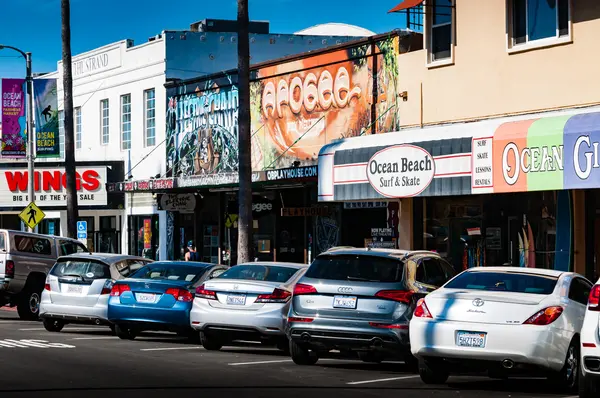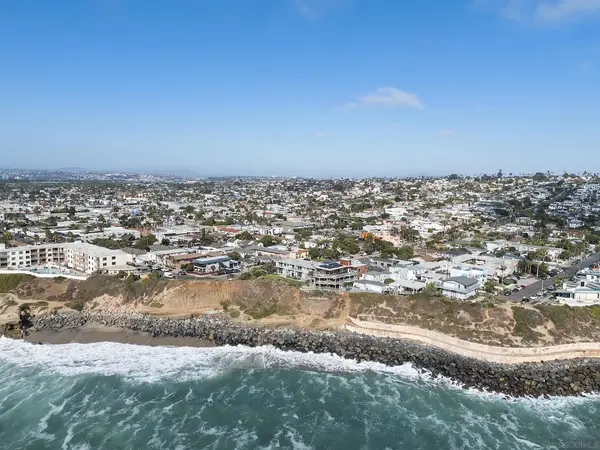

What San Diego's Housing Crisis Means for Homeowners in Ocean Beach and Coastal San Diego
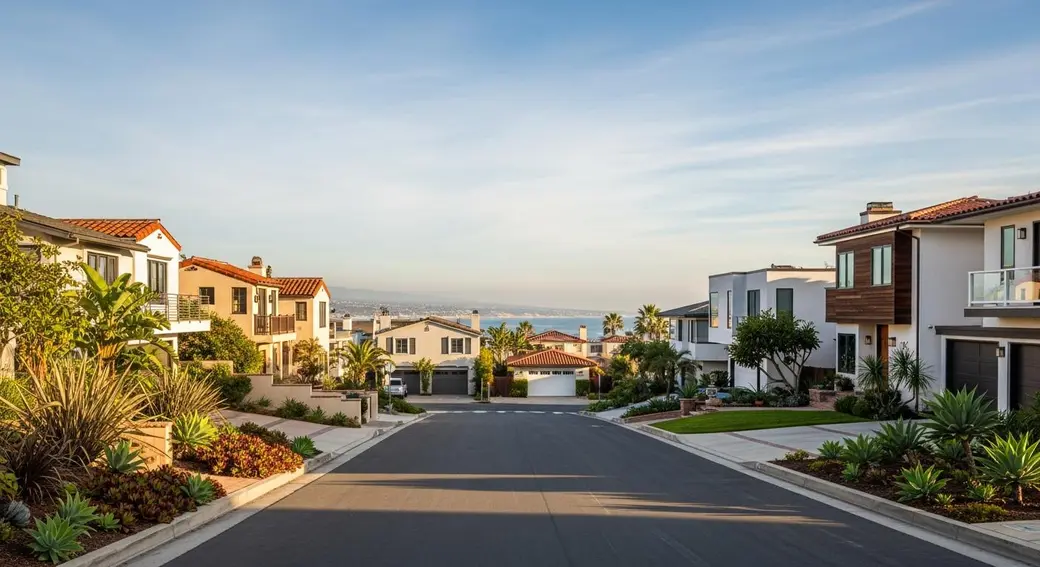
San Diego's housing crisis has been making headlines again — and this time, the story isn't just about prices. It's about a system under strain at every level, from the Section 8 waitlist that grew to more than 76,000 people before it was closed entirely, to a city budget that is cutting housing assistance even as costs remain out of reach for a growing number of residents. If you own a home in Ocean Beach or along San Diego's coastal corridor, you might be wondering what any of this has to do with you. The answer is: more than you think.
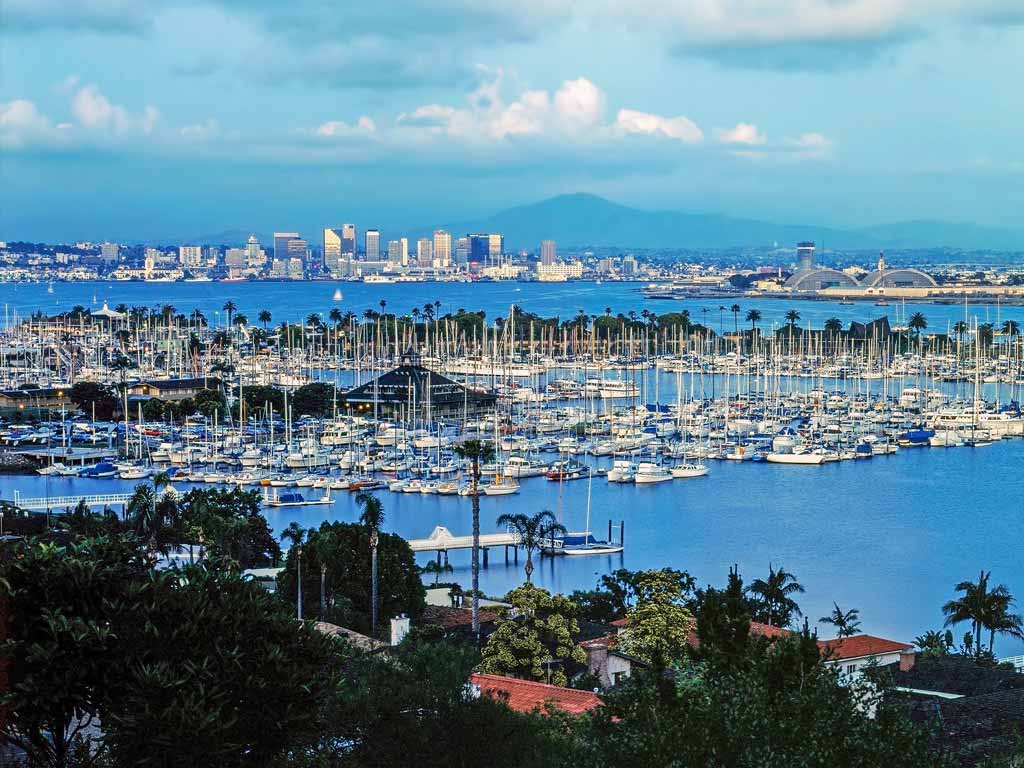
The supply problem is structural — and it protects your equity
The core issue driving San Diego's housing crisis is not complicated: the city has permitted barely two-thirds of the homes it should have by now based on long-term targets, and the existing rental supply is 97% full. Redfin That is not a temporary imbalance. It is a structural shortage that has been building for years and shows no sign of resolving quickly.
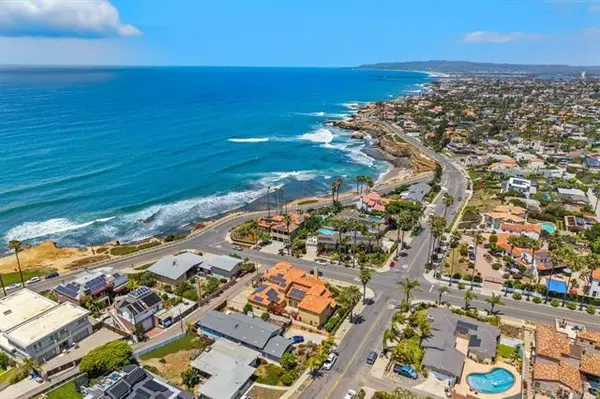
For coastal homeowners in neighborhoods like Ocean Beach, Point Loma, and Pacific Beach, this structural shortage is actually the single most important factor protecting your long-term equity position. When supply cannot keep pace with demand — and in coastal San Diego it demonstrably cannot — the value floor under well-located properties stays elevated even when the broader market softens.
You are not just holding real estate. You are holding one of a fixed number of homes in a neighborhood that cannot be replicated and cannot meaningfully expand its housing stock. That scarcity has a dollar value, and it compounds over time.
What shrinking assistance means for market dynamics
The Times of San Diego piece published this week makes a point worth understanding: the pressure on San Diego's housing market is no longer coming from prices alone. The San Diego Housing Commission closed its Section 8 Housing Choice Voucher and public housing waitlists on February 1, and county officials closed the county's Section 8 waitlist on February 20. These closures affect the lower end of the market most directly — but the ripple effects move up the price stack.
When residents who might otherwise rent affordable units are displaced or priced out entirely, competition for the remaining rental inventory increases. That pushes rents higher. Higher rents push more renters toward ownership — or out of San Diego entirely. Both outcomes tighten the ownership market in coastal neighborhoods that are already supply-constrained.
This is not an abstract policy discussion. It is a supply-and-demand dynamic that plays out in the number of offers your home receives and the price you net when you sell.
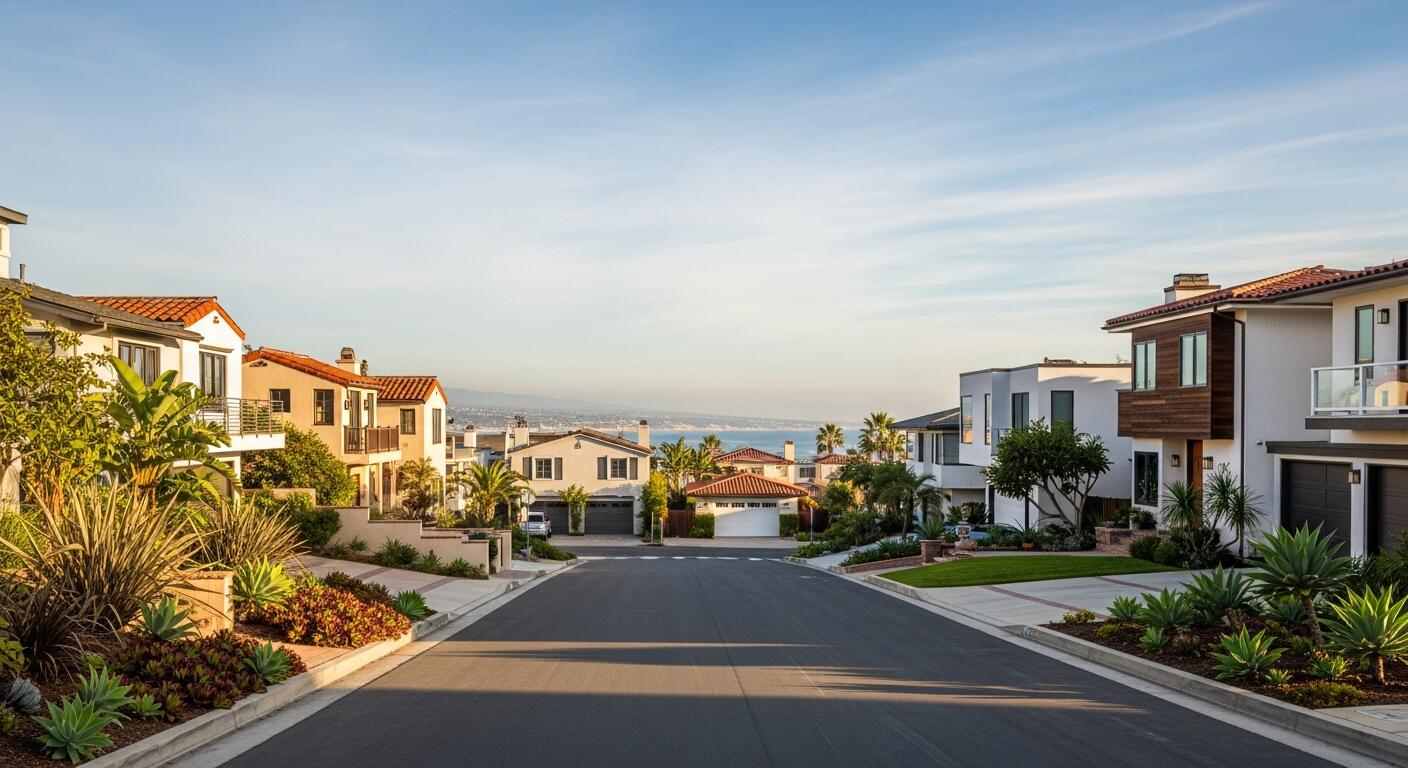
The timing question — does the crisis create a window?
San Diego's housing production has fallen chronically short of its targets. Sales volume has remained stuck at roughly two-thirds of 2019 levels, dragged down by rising mortgage rates and fast-rising property prices. Rocket Analysts are watching closely to see if 2026 brings any relief on the rate front — and most forecasters expect gradual improvement through the back half of the year.
For sellers in Ocean Beach and coastal zip codes, this creates an interesting window. Rates are declining from their peak. Buyer demand that was sidelined in 2023 and 2024 is beginning to re-engage. Inventory in neighborhoods like 92107 remains historically tight. The combination of improving affordability on the financing side and persistent supply constraint on the inventory side is exactly the setup that has historically produced the strongest seller outcomes in this market.
Waiting for the crisis to resolve before selling is the wrong frame. The crisis — specifically the supply shortage at its core — is part of what makes your coastal San Diego home worth what it is.
What this means if you're thinking about buying
If you've been waiting for San Diego home prices to correct meaningfully before buying, the structural data is not encouraging. The shortage driving prices is not a market cycle phenomenon that resolves itself over a few years. It is a permitting, land availability, and regulatory problem that cities and counties have been unable to close for decades.
That does not mean prices never soften. They do, and the current market has normalized from its 2022 peak. But a return to pre-pandemic price levels in coastal San Diego is not a realistic expectation given the supply dynamics in play. Every year you wait in a supply-constrained coastal market is a year of equity building you don't get back.
The best time to buy in Ocean Beach has historically been whenever you can qualify and commit — not when the headlines tell you the moment is right.
The bottom line
Diego's housing crisis is real, it is deepening, and it is producing genuine hardship for tens of thousands of residents. It is also — for those fortunate enough to already own coastal real estate — one of the key structural forces protecting and growing your equity position. Understanding both realities is part of understanding this market honestly.
If you want to know specifically what that equity position looks like for your home right now — and what the current market means for your timing as a buyer or seller — that is exactly the conversation I have with clients every day.
Get your free Ocean Beach home valuation → brodytrotter.com/evaluation
Learn more about working with Brody → brodytrotter.com/sandiegorealtor
Brody Trotter is a San Diego real estate agent specializing in Ocean Beach, Point Loma, Pacific Beach, and La Jolla. DRE #02254360. Licensed in California and South Dakota.
Featured in Best Agents US
Categories
Recent Posts